


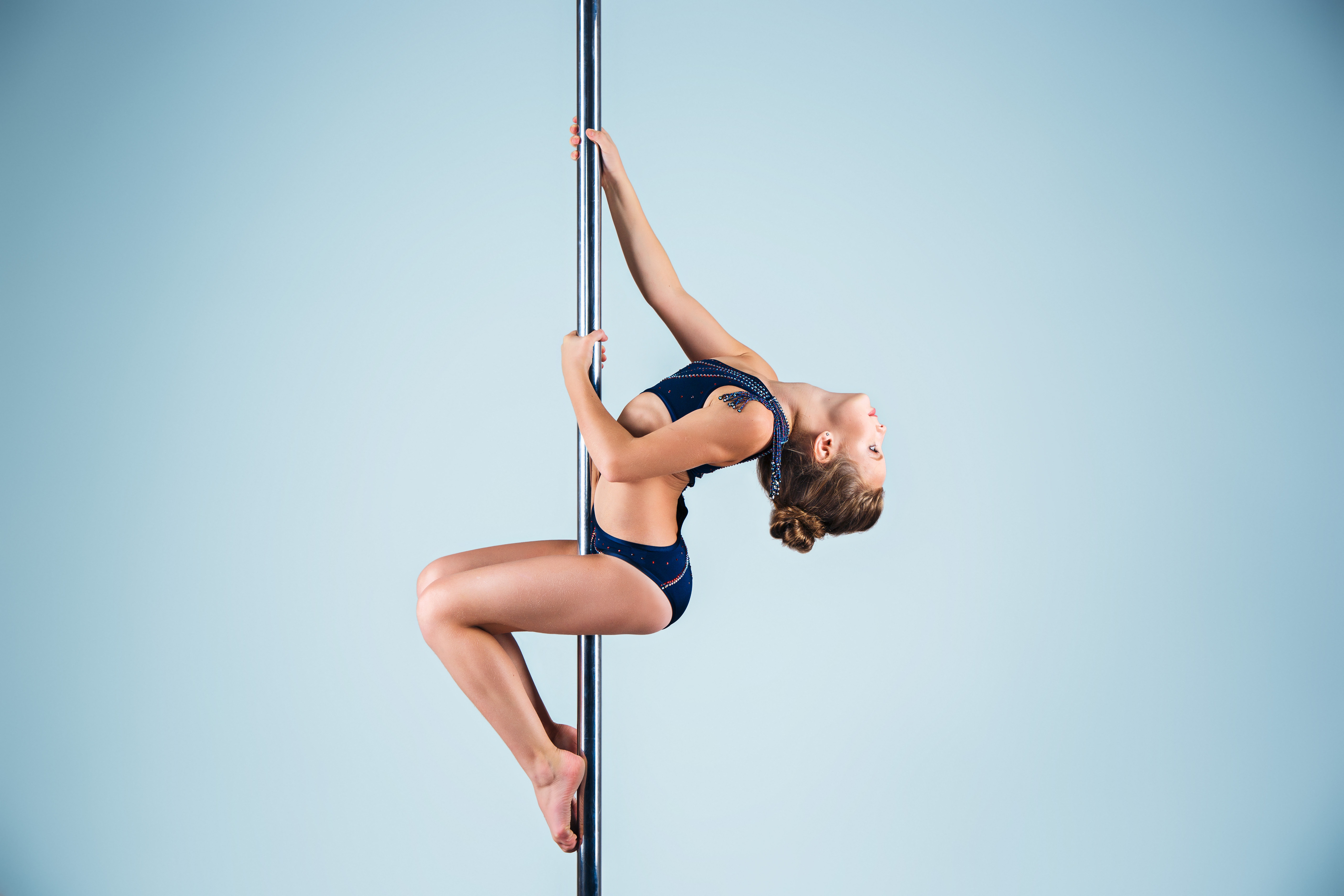
Pole Dance for Everyone: Breaking Down Stereotypes
- added: 29-09-2026
-
0 comments - in category
Free EU shipping over €59
In short? Pole dance is for you – regardless of age, gender, body type, or whether you "were never the athletic type." It's a recognized discipline (officially: aerial acrobatics on a vertical pole), not "something from a go-go club." In one studio, you'll find teenagers, moms straight from work, and competitors rocking it well into their sixties.
Let's be honest – the first time you step into a studio can be a wild experience: new faces, a mirror opposite you, the feeling of taking a big step outside your comfort zone. But it passes surprisingly quickly, usually during the very first class – because it applies to every one of us in the studio, not just you. So let's break down these stereotypes, calmly, one by one.
It's a full-fledged sport – and that's not just my opinion. Pole dance has its own international federation (IPSF), which on October 2, 2017, gained observer status with GAISF – an international organization of sports federations (dissolved in 2023). It was then one of seven disciplines accepted into this program in the same round (GAISF announcement). There are world championships, age categories, and judging according to clear rules. The nightclub is just a piece of history – today it's acrobatics, strength, and dance all in one. I write more about what training really gives you here: What pole dance gives you (in Polish).
No. Pole dance is practiced by women, men, and people of every identity – in competitions, there are separate men's, women's, and mixed pair categories. The fact that you mostly see girls in the studio is more because this sport is simply more popular among women, not because "it's not for men." And men who enjoy training and working with their bodies get just as hooked on pole dance – they get everything that calisthenics offers, but with choreography and a community. Those who try the pole once often stay for longer – because grip strength and a strong core do real work here.
I once visited the guys training at the Pole Dance House studio, and that video is the best answer I know to this question. It is in Polish, but the pole work speaks for itself.
You can also watch it directly on YouTube: Visiting the guys at Pole Dance House (in Polish).
No, no, and no again. You don't need a "pole dance body," arm strength, or to be able to do the splits – all of this is built in training, step by step. And this isn't just me talking "to make you feel better": in a 20-week study by Polish scientists (Nawrocka et al., 2024), a group of 54 women with no prior experience had significantly greater muscle mass and stronger hand grip after pole dance training. So: you'll build that strength starting from scratch – exactly like every one of us. And I'll tell you honestly: at the beginning, there might be bruises, and not everything works out right away. That's completely normal, it passes, and really, don't beat yourself up about it. You start where you are today – and that's fully enough.
Practically at any age – and "too late" usually only exists in our heads. Federations have categories from children to "masters" groups, and women well into their sixties compete. If you have any health concerns, start by talking to a doctor. Otherwise, pole dance is surprisingly inclusive – there really is a place for you here.
Almost all myths stem from one association: nightclub, go-go, striptease. But pole dance is primarily a sport and body awareness – I'm talking about strength, core, and control, not "showing off." For me, the body is primarily about function: what it can do, not how it looks to someone from the side. And this is also supported by research: in a pilot randomized study (Pfeiffer et al., BMC Psychology, 2023), women who trained pole dance for 8 weeks had significantly better mental well-being and greater body acceptance than a waitlist control group. This is the opposite of what the stereotype suggests – pole dance builds a good relationship with your body, not shame. Take a look at the most common myths versus how it really is:
| Stereotype | How it really is |
|---|---|
| "It's not a sport" | A recognized discipline with a federation (IPSF), championships, and age categories |
| "Only for women" | Practiced by women and men – there are separate categories in competitions |
| "You have to be slim and flexible" | Strength and flexibility come with training; shapes are chosen to suit the body, not the body to suit the shapes |
| "I'm too old" | Categories from children to "masters"; competitors 60+ also participate |
| "It's indecent" | It's acrobatics and strength – like in gymnastics, figure skating, or synchronized swimming; I talk about the body through function, not shame |
I'll tell you straight – fear of judgment is probably the most common barrier I know. And it's completely natural. But a good pole dance studio is a place where no one looks at your body type, they just cheer you on when you nail a new shape. Start with one trial class, dress comfortably, and give yourself permission to "not know how yet." Here's what to wear: How to choose an outfit for your first pole dance training (in Polish).
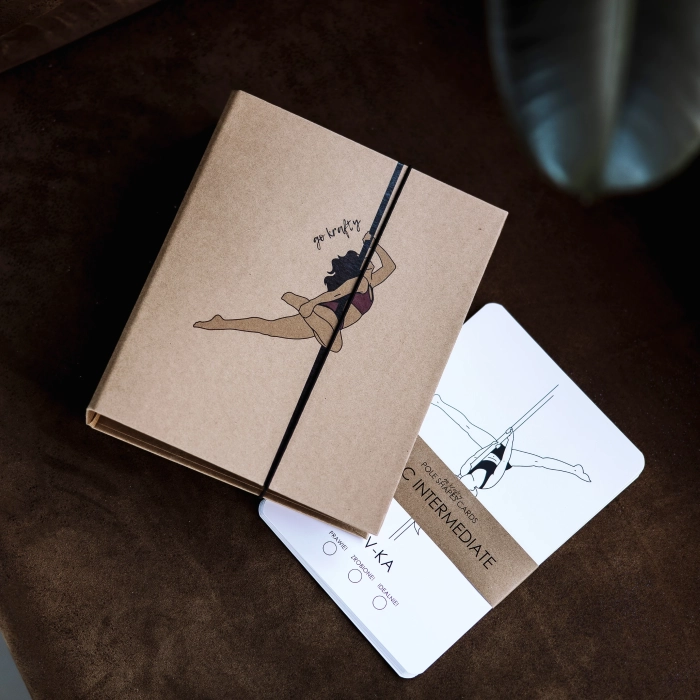
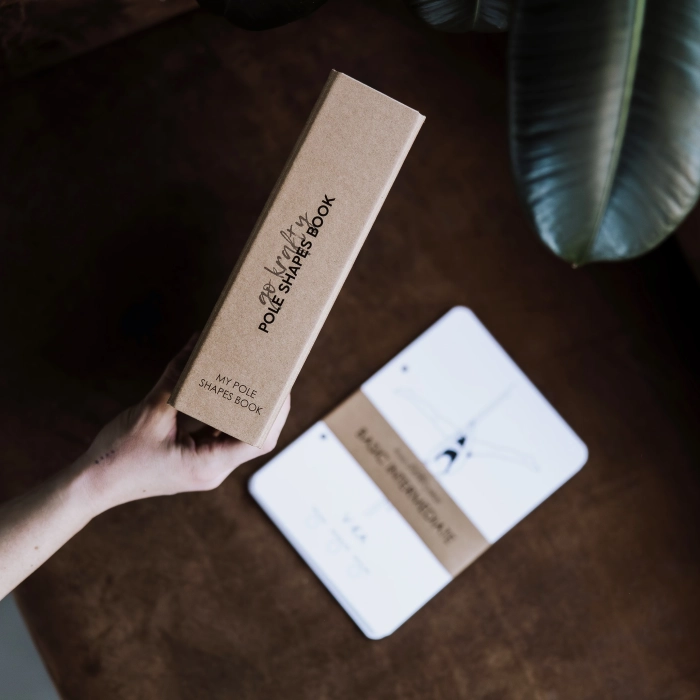
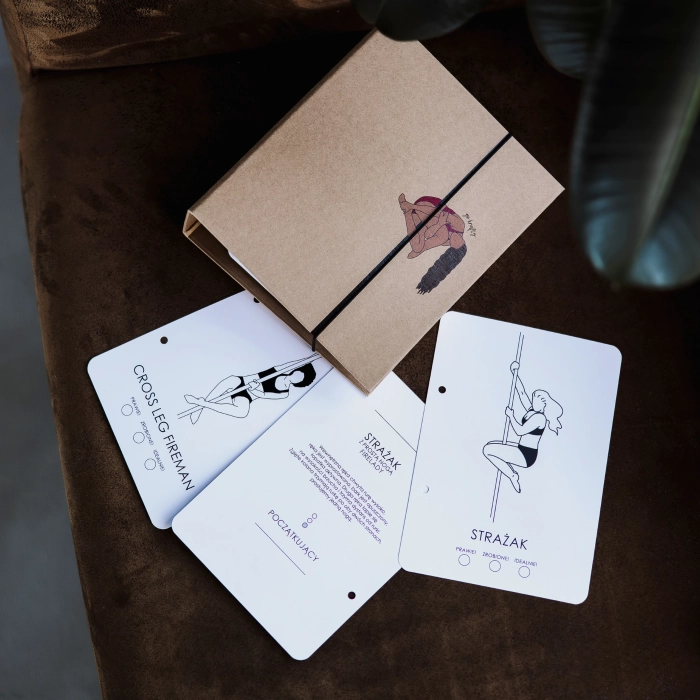
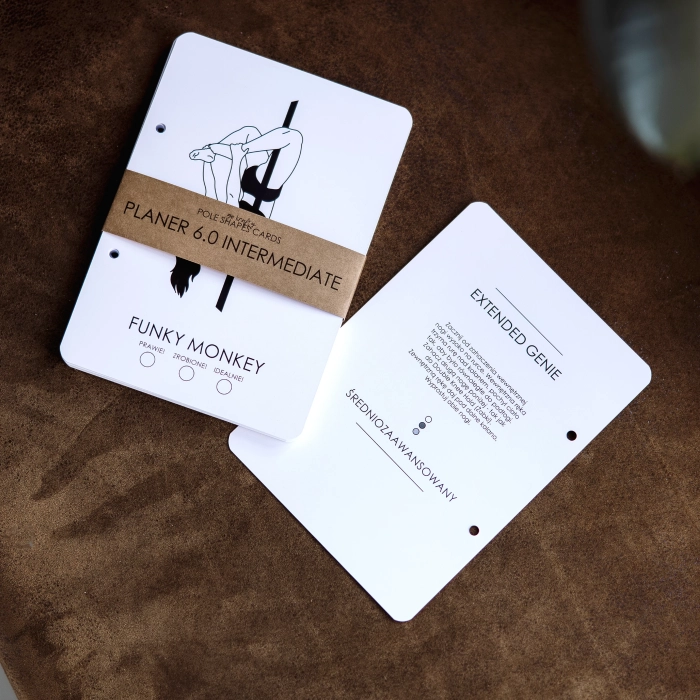
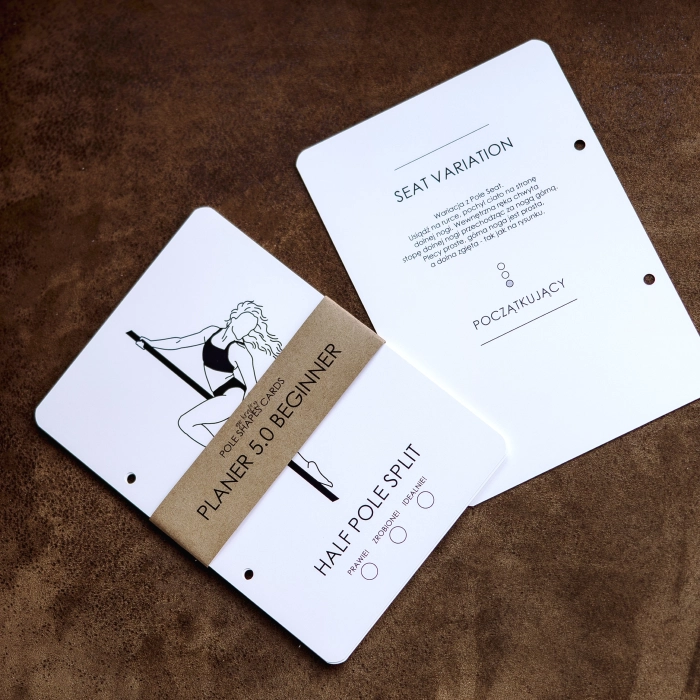
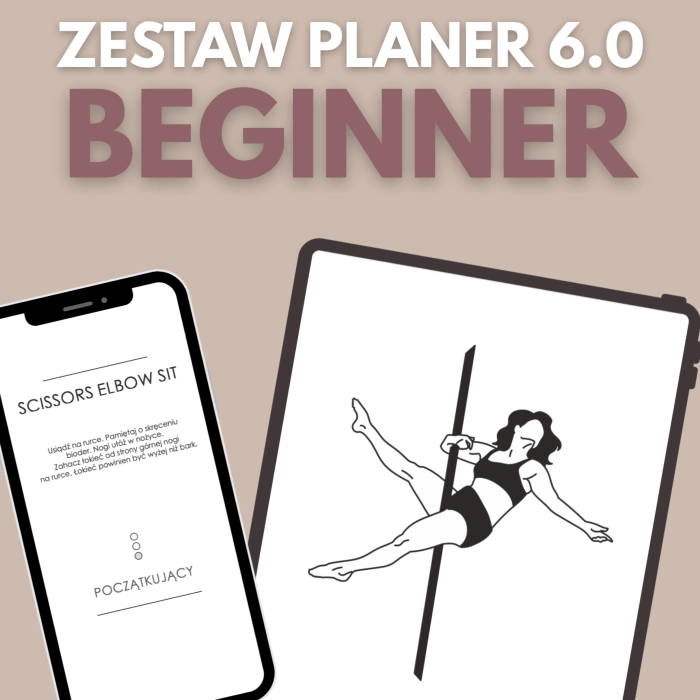
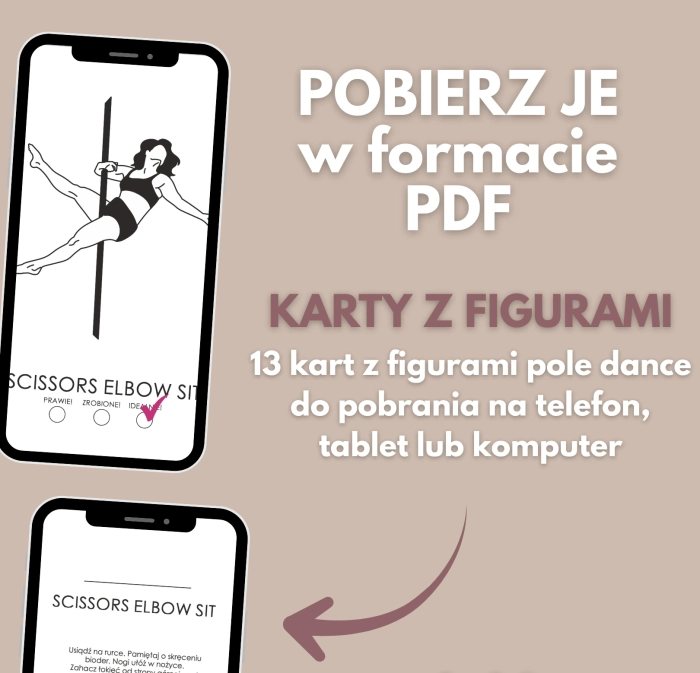
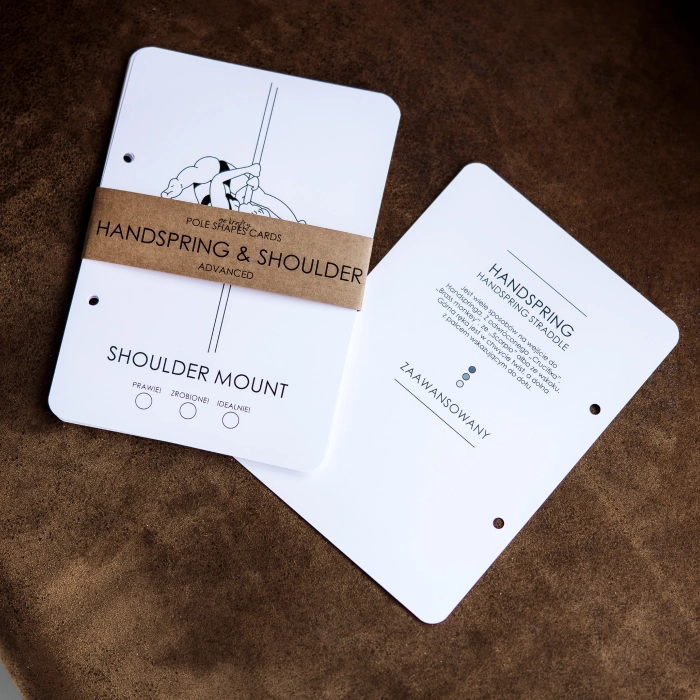
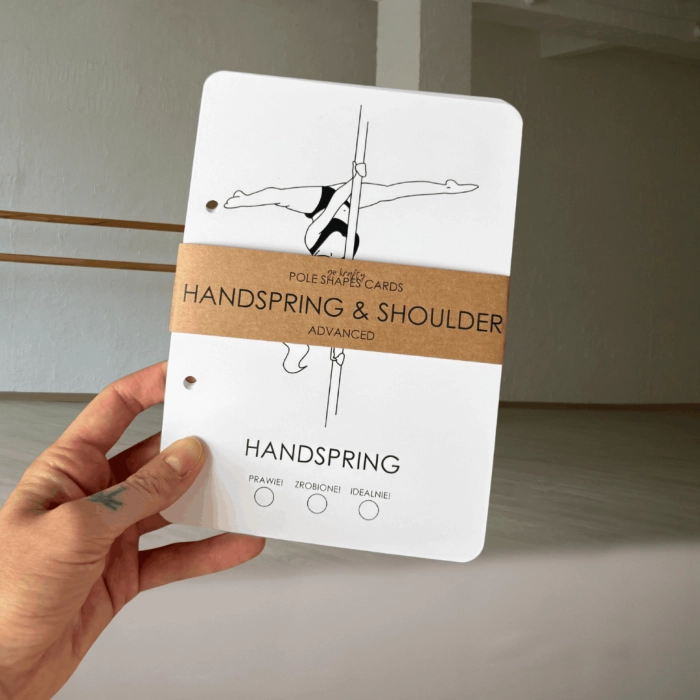
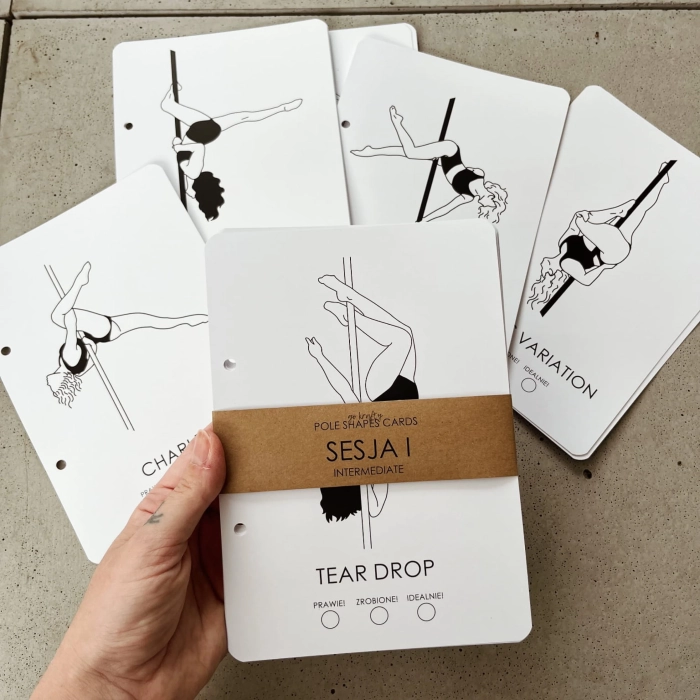
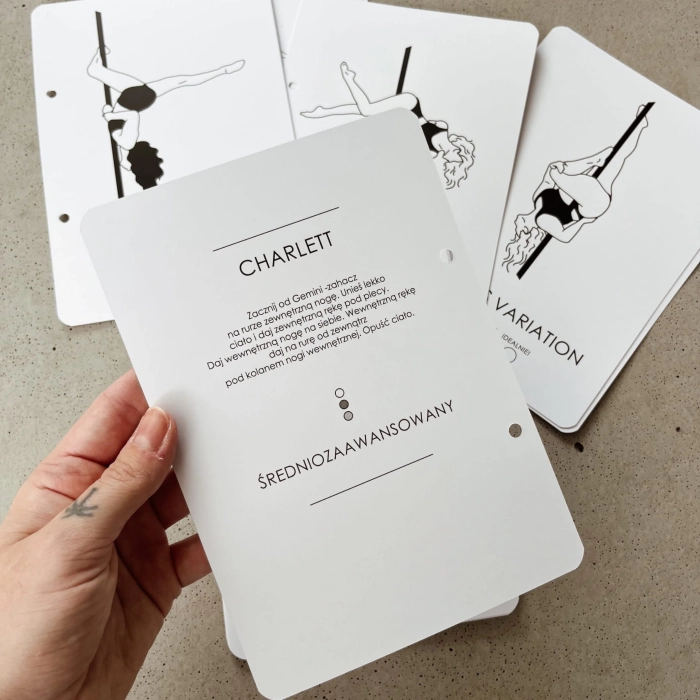
And if you want to get familiar with the names of shapes before you even get on the pole – I have a pole dance shapes catalog for you with descriptions of how to get into each one.
Yes. In competitions, there are separate men's categories and mixed pairs, and more and more men train recreationally. Upper body strength and core work exceptionally well here.
No. Shapes are chosen to suit the body's capabilities, and age categories range from children to "masters." You start where you are today – the rest is a matter of time.
No. Flexibility develops with training. To start, all you need is willingness and comfortable attire; the splits are really not a prerequisite.
Yes – with an international federation (IPSF), GAISF observer status obtained in 2017 (GAISF itself was dissolved in 2023), championships, and judging. It's aerial acrobatics on a vertical pole.
No. It's a discipline about strength and body awareness. I talk about the body through what it can do – not through shame.
If your head is spinning with all those "what ifs…" – put them aside for a moment. You don't have to be ready, athletic, or super brave. Just try. What matters is that you started. 🩷
This post does not replace the advice of a doctor or physiotherapist – if you have health concerns, consult before starting.
Sources:





 Log in with Facebook
 Log in with Google