


Pole Dance & Fitness: How to Combine Them Smartly
- added: 29-09-2026
-
0 comments - in category
Free EU shipping over €59
Pole dance is a full-fledged strength workout – it engages your arms, shoulders, back, legs, and most importantly, your core. It pairs beautifully with calisthenics, gym workouts, yoga, or Pilates, all of which build the strength needed for those challenging shapes. The key is a plan tailored to your goals: if you're not aiming for competitions, even one or two workouts a week can yield real results. More advanced dancers train more often, with 2–3 supplementary workouts and ample time for recovery. Below, I'll show you how to put it all together.
Yes – it's a full-body workout, largely based on working with your own body weight (calisthenics). You pull yourself up, hold inversions, control your descents – and all of this builds strength and body awareness, with a particular emphasis on your core. I'm not promising miracles or specific "body transformation effects"; I'm talking about what pole dance genuinely develops. More on the benefits: What pole dance gives you (in Polish).
Pole dance is a full-body workout, but a few groups work exceptionally hard. That's why it's worth choosing supplementary exercises specifically for them.
| Muscle Group | Role on the pole | What strengthens it off the pole |
|---|---|---|
| Arms and shoulders | grip, lifting the body, entries into shapes | pull-ups, push-ups, lifting |
| Back | stabilization in hangs and inversions | pull-ups, rowing, deadlifts |
| Core (abs, torso) | foundation of every shape and inversion | plank, leg raises, dead bug |
| Legs and glutes | power, hooks, controlling sits | squats, lunges, hip thrusts |
| Hands and forearms | strong, long-lasting grip | hangs, squeezing, grip training |
I went through a scientific study of pole dance in a separate video – it is in Polish, but if you want to dig deeper, here it is:
You can also watch it directly on YouTube: A scientific study of pole dance (in Polish).
Ideally, you want to complement, not exhaust, the same muscles two days in a row. These work well:
2–3 supplementary workouts a week, alternating with pole dance, is completely sufficient. You don't have to do everything at once.
As much as it truly needs – and that's not a weakness, it's part of the training. Muscles grow during recovery, not by pushing yourself to the max every day. Bruises and abrasions from the pole are normal at first; give yourself lighter days and listen to your body. It's better to train smartly three times a week than seven times "through gritted teeth."
This plan is similar to how I try to organize my own week – treat it as a rough framework and adapt it to your schedule, level, and how you're feeling. And if you train once a week, just pick what's most important to you from it.
| Day | Workout |
|---|---|
| Monday | Strength – upper body (back, shoulders, arms) |
| Tuesday | Pole dance – technique and new shapes |
| Wednesday | Cardio or rest |
| Thursday | Pole dance – working on shapes |
| Friday | Yoga or Pilates (mobility, core) |
| Saturday | Light strength + stretching |
| Sunday | Rest or gentle stretching |
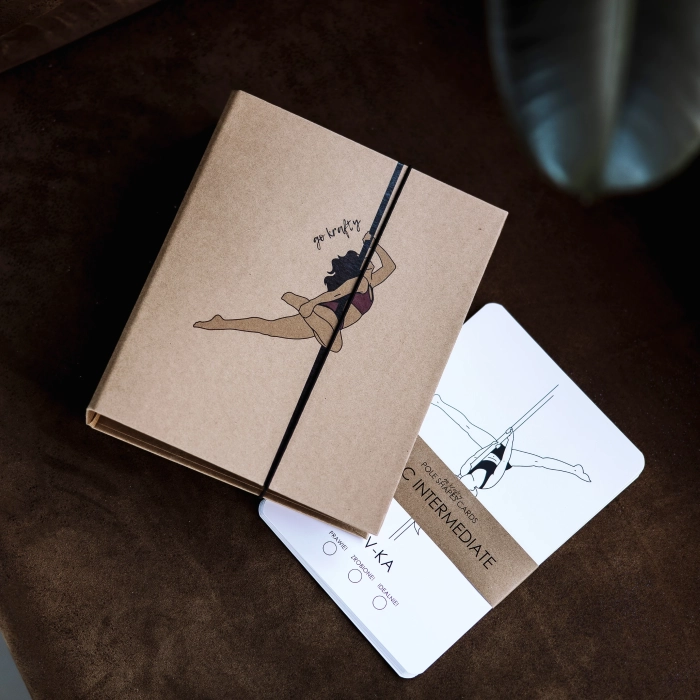
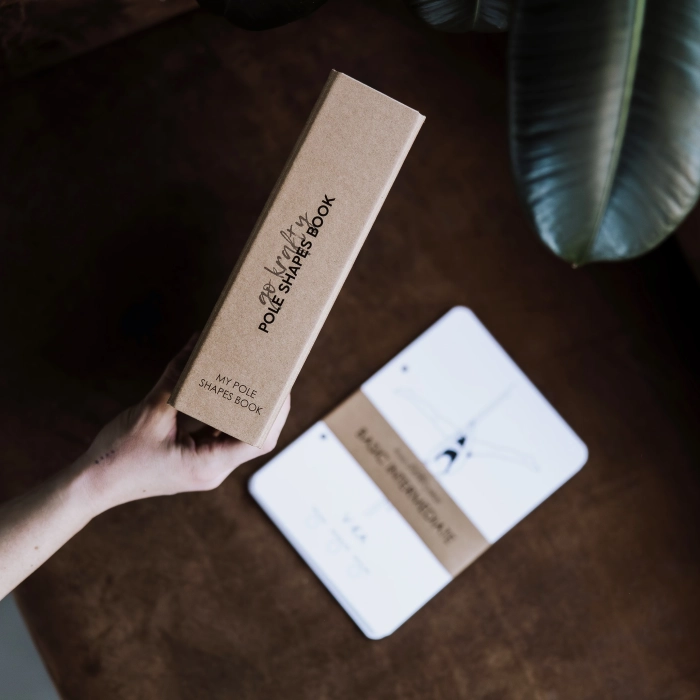
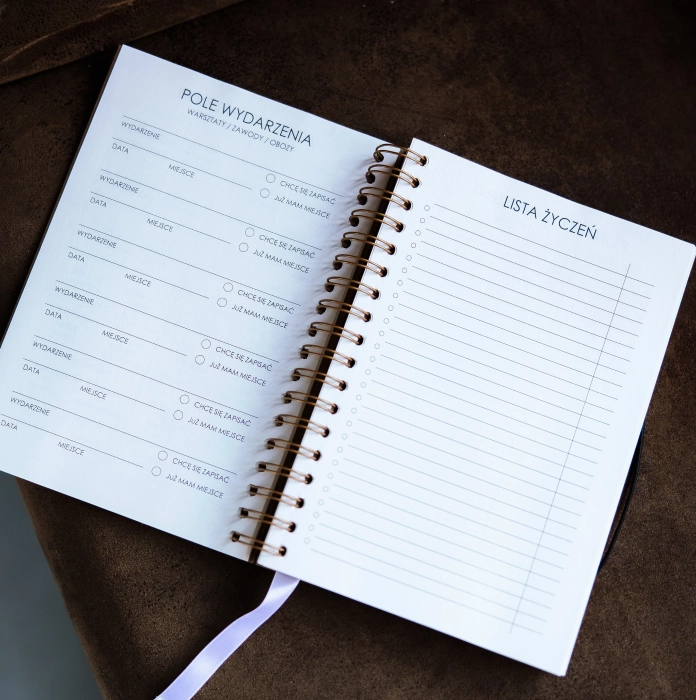
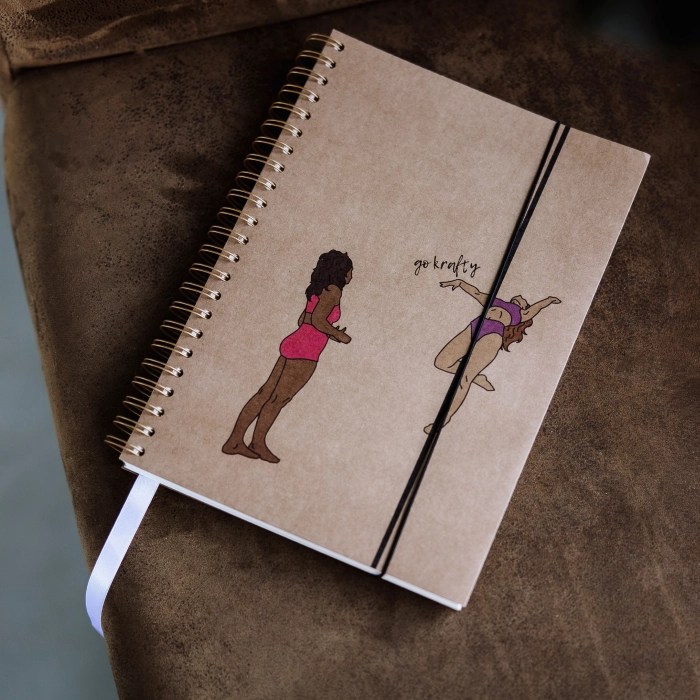
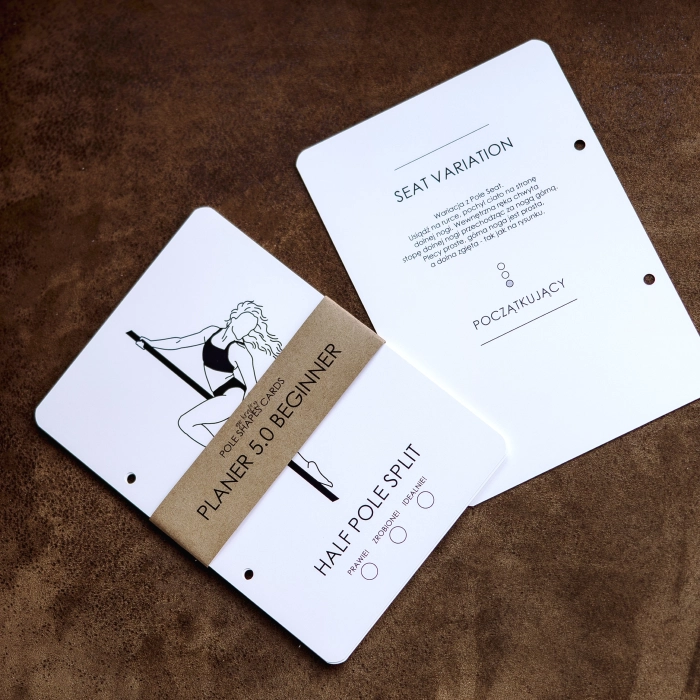
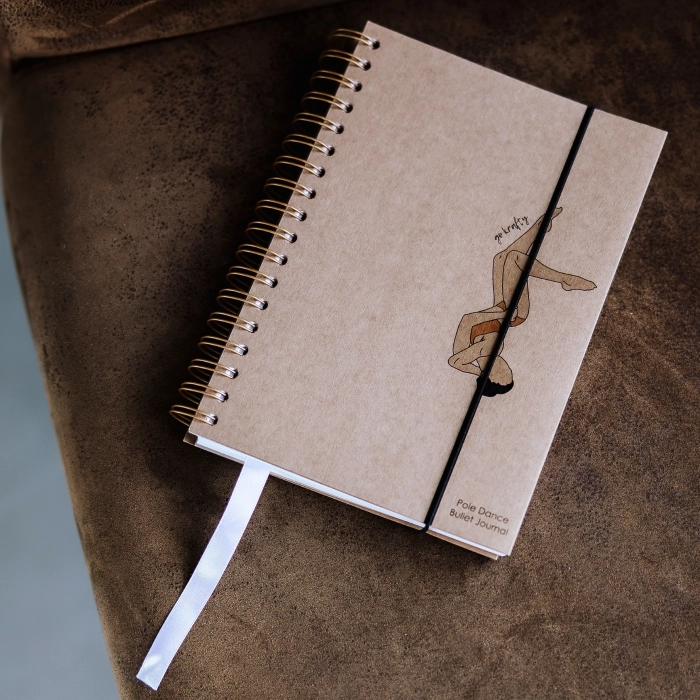
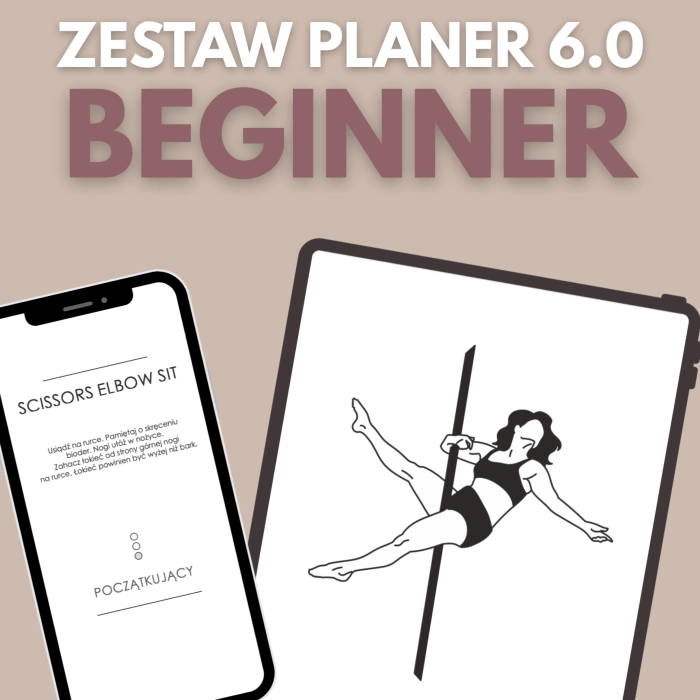
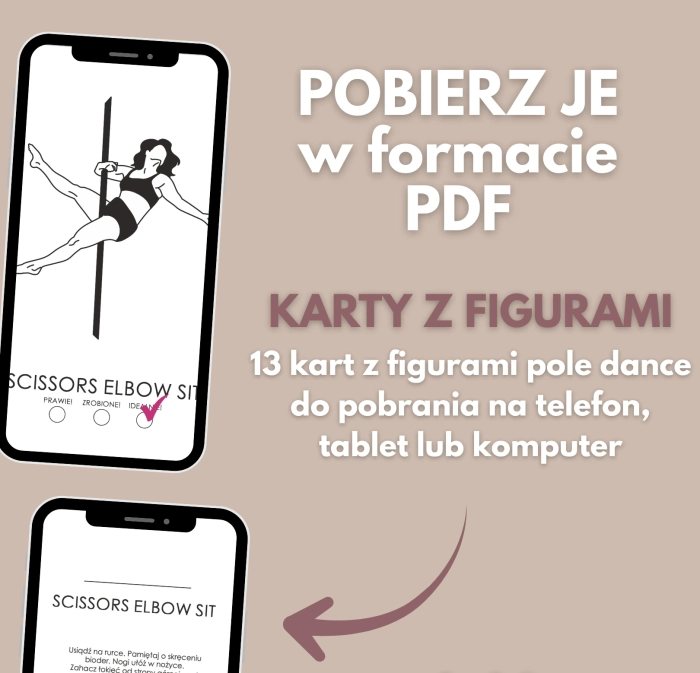
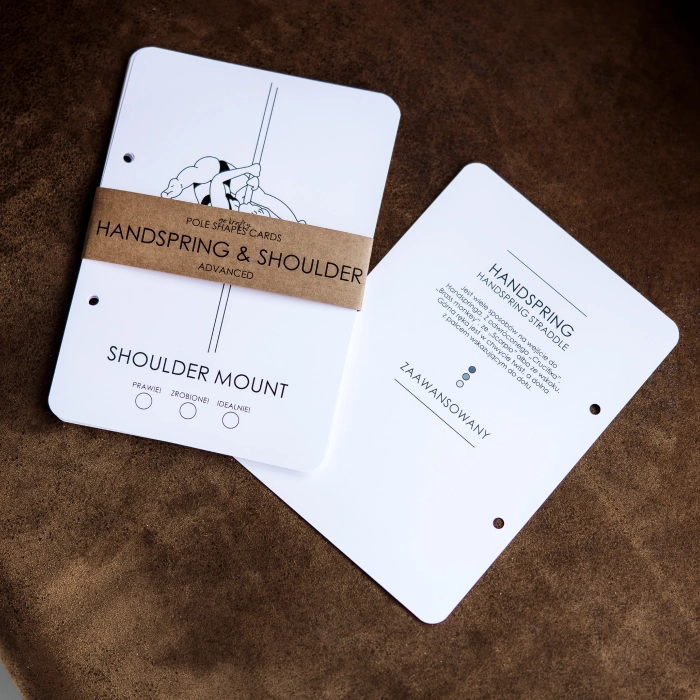
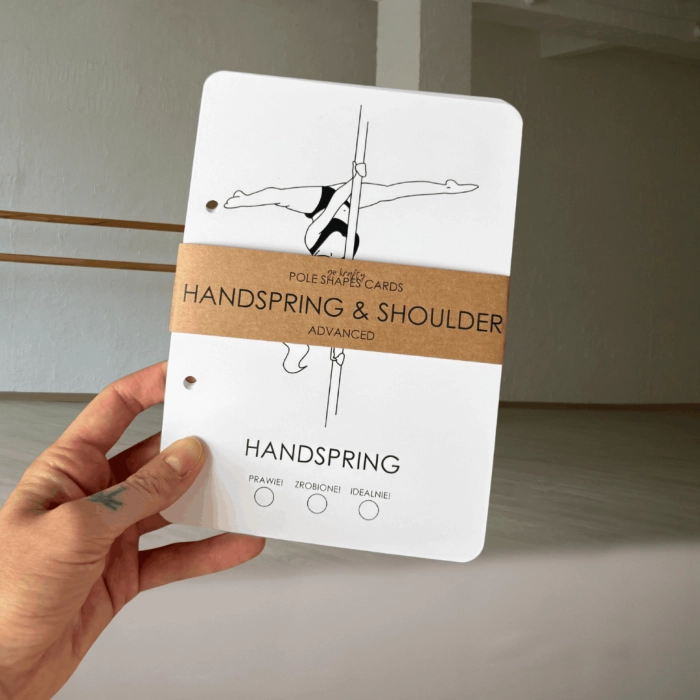
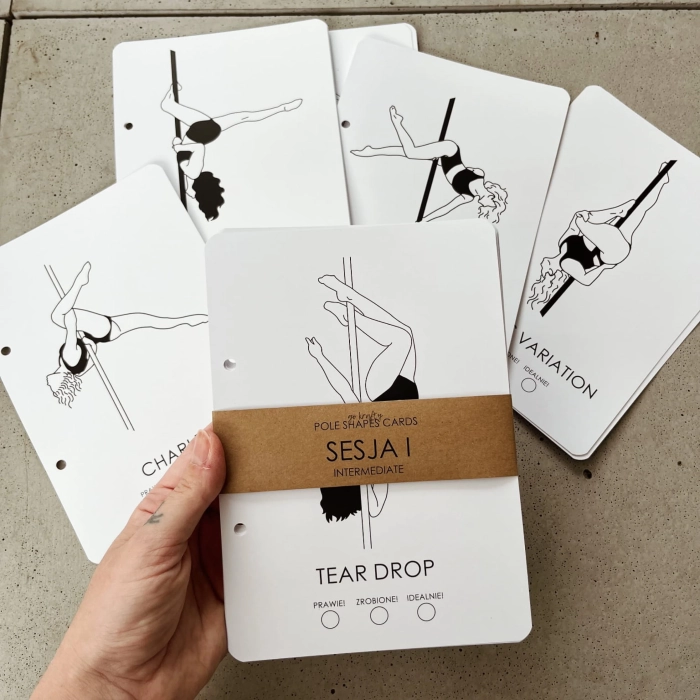
The hardest part of combining disciplines isn't the exercise itself, but keeping track of when you're doing what – and whether you're actually making progress. For me, writing down my workouts and shapes in one place works wonders: you see how you're growing, and it's easier to maintain recovery. If you like to have it all in black and white, check out my guide on planning workouts or go straight to the pole dance planners.
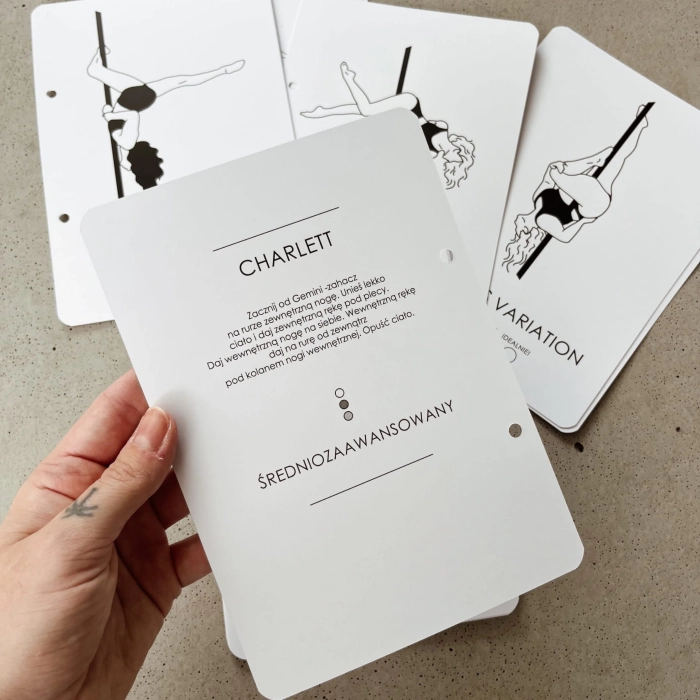
And you'll find the names of shapes to write into your plan in the pole dance shapes catalog.
Pole dance alone builds strength. Supplementary training (calisthenics, gym) simply speeds up progress in more difficult shapes – it's an addition, not an obligation.
It's better not to, especially when starting out. Your body needs recovery, and your skin needs time to get used to the pole. 2–3 sensible workouts a week give more than seven "forced" ones.
Start with calisthenics basics: hangs on the pole, plank, leg raises, and – with or without a resistance band – working on pull-ups. Grip and core strength build up step by step.
Absolutely. They provide mobility, core control, and better breath, which makes it easier to get into shapes requiring flexibility. They're a great complement to your "off-pole" days.
It depends on your goal. If you're not aiming for competitions, even one pole dance workout a week yields real results. Want faster progress? 2–3 pole dance sessions + 1–2 supplementary workouts is a good, balanced plan. Leave the rest of the days for recovery.
It's not about doing everything all at once. Choose what you love, add a little strength training off the pole – and give your body time to rest. What matters is that you're taking another step. 🩷















 Log in with Facebook
 Log in with Google